


)
)
)
)










)
How We Calculated This Cost
HomeBuddy estimates roofing costs using real project pricing from completed residential roofing jobs, matched against the scope and details submitted in each project request. The estimates reflect roof repair, replacement, and storm damage projects, including differences in roof area, pitch, material, tear-off requirements, access, and underlying damage. Public pricing references are reviewed to confirm that published ranges remain consistent with current material and labor costs.
Expanded details
Data used: HomeBuddy project cost data, completed project costs, and residential project request details
Project scope: minor roof repairs, complete roof replacements, and replacements following storm or extreme-weather damage
Main cost factors: roof area, material type, roof pitch, existing roofing layers, tear-off and disposal requirements, site access, decking condition, and local labor costs
Location signals: ZIP, city, and state-level pricing patterns where available
Public references: used to confirm material and labor cost ranges and keep estimates aligned with current market conditions
Key Points
- Cost Drivers: Roof area, material, pitch, accessibility, local labor rates, and damage discovered after tear-off have the greatest impact on the final cost.
- Labor Costs: Labor can account for up to 60%, depending on roof complexity and accessibility.
- Material Selection: Materials make up 40%, with asphalt shingles being the most affordable option.
- Roof Pitch: Steeper roofs increase time, materials, and costs.
- Location Impact: Costs vary by location, with urban areas and harsh climates often having higher prices.
Have you noticed leaks, missing shingles, or other signs of wear and tear on your roof? The thought of tearing off and replacing an old roof can be overwhelming, especially when it comes to the potential costs.
Roof replacement costs vary depending on the material, roof size, labor rates, location, and project complexity. Premium materials can cost $50,000–$80,000 for a 2,000-square-foot roof. For a typical 2,000-square-foot asphalt-shingle roof, expect to pay $8,000–$17,000.
Knowing the average cost to tear off and replace a roof is crucial whether you're facing unexpected damage or planning a much-needed upgrade. In this article, we'll break down the costs and share some money-saving tips!
How Much Does It Cost to Tear Off and Replace a Roof on Average?
)
Roof replacement prices vary widely because roofing materials have different purchase, removal, and installation costs. The sections below break down the estimate by roof area, labor, material, pitch, location, tear-off requirements, and cleanup costs.
Roofing Cost Per Square Foot
The size of the roof plays a significant role in determining the overall replacement cost. Larger roofs need more materials and labor, which raises the total cost.
Installed asphalt-shingle tear-off and replacement typically costs $4–$8.50 per square foot. Premium materials are priced separately in the material table below. One roofing square equals 100 square feet.
Here’s the estimated cost to tear off and replace an asphalt-shingle roof based on roof size.
- Roof Size (In Square Feet)Estimated Cost
- 1000$4,000 - $8,500
- 1200$4,800 - $10,200
- 1500$6,000 - $12,750
- 1800$7,200 - $15,300
- 2000$8,000 - $17,000
- 2500$10,000 - $21,250
Labor Costs
Labor typically accounts for up to 60% of the total roof replacement cost, making it a significant portion of your budget.
The average labor cost to tear off and replace a roof typically costs between $2 and $7 per square foot.
While fixed-rate projects are more common, some contractors may charge on an hourly basis, which can range from $40 to $60 per hour.
Here are some factors to consider when calculating labor costs:
Roof Replacement Materials
Around 40% of the project cost goes to materials, including roofing material, underlayment, flashing, roof ridges, vents, and building supplies like nails and tools.
Keep in mind that roofing materials will be the most expensive. Your choice depends on your budget, desired look, local climate, and roof’s weight-bearing capacity.
Asphalt shingles are the most common roofing material in North America, accounting for around 64% of the residential roofing market in 2020.
Here’s a breakdown of roofing materials along with their pricing and descriptions:
| Type of Roofing Material | Estimated Cost for a 2,000-Square-Foot Roof | Description |
|---|---|---|
| Asphalt shingles | $8,000 - $17,000 | Common and cost-effective roofing option with a lifespan of 20-30 years. |
| Exposed-fastener steel roofing | $14,000 - $30,000 | Durable and long-lasting metal roofing option, resistant to rust. |
| Cedar shakes | $14,000 - $32,000 | Natural wood appearance with good insulation properties but requires maintenance. |
| Concrete tile | $15,000 - $40,000 | Heavy but durable tiles that offer great fire resistance. |
| Aluminum | $16,000 - $34,000 | Lightweight metal roofing with a lifespan of 40-50 years. |
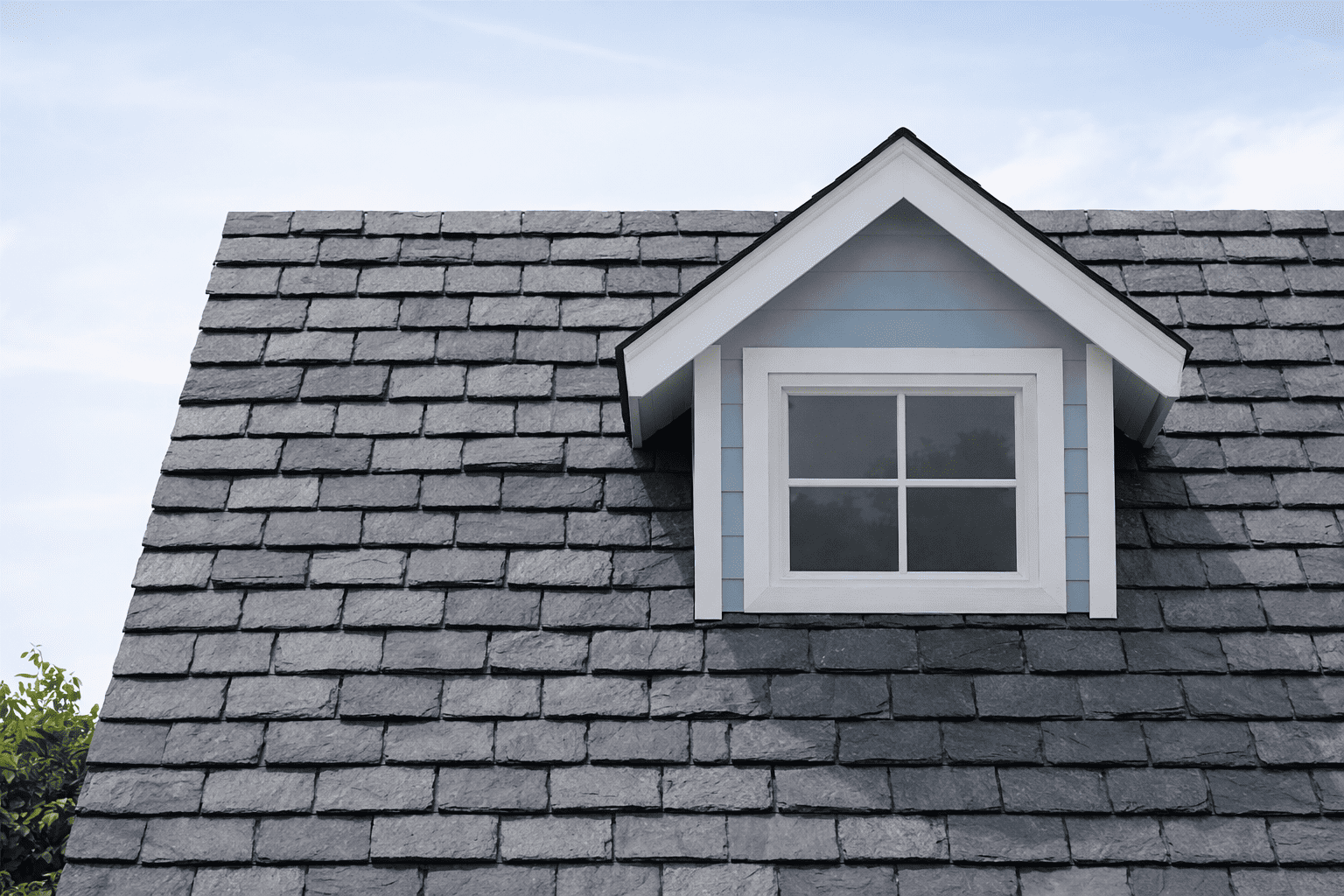
| Natural slate roofing | $19,000 - $52,000 | Elegant and durable tiles that can last over 100 years. |
| Clay tile | $22,000 - $50,000 | Traditional roofing material with excellent insulation properties. |
| Copper | $42,000 - $80,000 | Premium roofing material with a long lifespan and high durability. |
| Standing seam steel | $6,000 - $50,000+ | Concealed-fastener metal roofing with strong weather resistance, low maintenance requirements, and a typical lifespan of 40–70 years. |
Roof Pitch
The pitch of a roof, which is its steepness or slope, can significantly impact the cost of a roof replacement.
While most roofs have a pitch between a 3:12 and 6:12 ratio, steeper roofs can be more costly to work on.
They require extra safety precautions, are more complex, harder to access, and need skilled workers. High-pitch roofs also have a larger surface area, requiring more materials, which increases overall costs.
Location
Location affects roof replacement costs due to local climate, labor rates, and material costs. Harsh weather areas need more durable, expensive materials. Urban areas with a higher cost of living have higher labor costs than rural areas. Material availability varies, with some regions requiring imported materials, which can increase costs.
Removal of Your Existing Roof
Roof tear-off typically costs $1–$5 per square foot, depending on the roofing material, number of existing layers, roof pitch, and accessibility. Asphalt shingles generally cost $1–$3 per square foot to remove, while heavier materials such as slate or tile cost $2–$5. Tear-off exposes the roof deck for inspection and necessary repairs. Disposal and hauling may be included in this price or quoted separately.
Clean Up Costs
If billed separately, hauling and local disposal fees may add $50–$500. Confirm whether dumpster rental, landfill fees, debris removal, and magnetic nail cleanup are already included in the tear-off estimate.
Additional Costs Discovered After Tear-Off
Some damage cannot be confirmed until the existing roofing is removed. Additional costs may include replacement of rotted decking, repairs to rafters, new flashing around chimneys and skylights, ventilation upgrades, permits, inspections, and code-required improvements. Ask the contractor to specify the price per sheet of replacement decking and explain how additional work will be approved.
Roof Overlay vs. Full Tear-Off
A roof overlay installs new shingles over the existing roofing and avoids most removal and disposal costs. However, it prevents a complete inspection of the decking, underlayment, and concealed water damage.
An overlay may be considered when the existing roof remains dry and structurally sound and local codes and manufacturer requirements allow another layer. A full tear-off provides access to the roof deck so damaged sheathing, flashing, and underlayment can be identified and repaired.
What Are The Signs That Indicate It's Time to Replace Your Roof?
Knowing when to replace your roof is crucial for maintaining your home’s integrity. Here are some key signs that indicate it might be time for a new roof:
Roof Replacement vs. Repair
Deciding between roof replacement and repair depends on several factors, including the extent of the damage, the age of the roof, your budget, and how long you plan to stay in your home.
Roof Repair
Roof repair is generally less expensive and quicker than a full replacement.
Small issues like leaks, broken shingles, or minor flashing and deck problems can be resolved without replacing the entire roof. If the repair area is smaller than 100 square feet, repair is advisable.
Roof repairs can cost between $150 and $7,000. Here’s a breakdown of specific repair costs:
- Repair TypeEstimated Cost
- Replacement of underlayment$2 - $3 per square foot
- Roof water damage restoration$400 - $1,700
- Roof trusses repair or replacement$500 - $5,000
- Insulation replacement for roof$1,000 - $2,500
- Vent system repair$75 - $250
- Fascia repair or replacement$450 - $4,000
Roof Replacement
Replacing a roof involves tearing off the old one and installing a new one. This is more expensive but necessary for extensive damage, recurring leaks, or an aging roof. A new roof enhances energy efficiency and increases home market value.
What You Need to Consider?
How Can You Save Money on Roof Replacement Costs?
Here are some practical tips to help you save money on tearing off and replacing your roof:
Should You DIY Roof Replacement or Hire Professionals?
)
While DIY roof replacement may save money, we don’t recommend it due to significant risks.
Roofing is dangerous, with high fall and injury risks. Lack of expertise can lead to leaks, structural damage, or poor insulation, and can void warranties on materials. DIY errors might result in costly future repairs.
Professionals have the experience, safety gear, and training to handle roofing hazards. Therefore, hiring a professional ensures safety, quality work, warranty compliance, and a durable, reliable roof.
Conclusion
The average cost of roof tear-off and replacement ranges from $16,000 to $64,000, depending on factors like material type, location, roof pitch, and labor costs.
While you could save about 60% by doing the roof replacement yourself, we don’t recommend it for the reasons mentioned in the article. It’s crucial to find a professional roofer for the job, so use our HomeBuddy tool to find an expert roofer near you with a good reputation. Get free estimates
Frequently Asked Questions
What is a roof tear-off?
A roof tear-off involves completely removing old roofing materials down to the deck before installing a new roof. This process allows for thorough inspection and necessary repairs of the underlying structure to ensure the new roof’s durability and integrity.
How often should a roof be replaced?
A roof should generally be replaced every 20-30 years for asphalt shingles and 40-50 years for aluminum roofs. The lifespan can vary based on material, climate, and maintenance. Regular inspections are recommended to identify issues early.
Is replacing a roof a good investment?
Replacing a roof is generally a good investment, typically yielding a return on investment (ROI) of around 60% and sometimes higher. It can significantly boost home value, improve curb appeal, and facilitate smoother sales. Additionally, it can prevent costly future repairs by addressing underlying issues early.
-
-
How Much Does a Standing Seam Metal Roof Cost?
-
TPO Roofing Cost
-
Cost of Metal Roof vs Shingles
-
Attic Insulation Cost
-
How Much Does a Cedar Shake Roof Cost?
-
How Much Does it Cost to Repair a Roof?
-
How Much Does a Composite Roof Cost?
-
How Much Does It Cost to Replace a Flat Roof?
-
How Much Does a Tile Roof Cost?
-
How Much Does a Metal Roofing Cost?
-
How Much Does an Asphalt Shingle Roof Cost?
-
How Much Does It Cost to Replace a Roof?
-

Cost calculator test
-
Roof Inspection Cost
-
Test cost?
